
Refusal to Provide a Breath Sample
You’ve been charged with a DUI offence in Toronto, and now you have to deal with two sets of penalty systems – one federal, the other provincial.
Being stopped by police and asked to blow into a breath testing device can be stressful. Refusing that request, however, can result in criminal charges that carry the same weight as a drunk driving conviction. If you’ve been charged with refusal to provide a breath sample under section 320.15 of the Criminal Code, understanding your legal situation is the first step toward protecting your future.
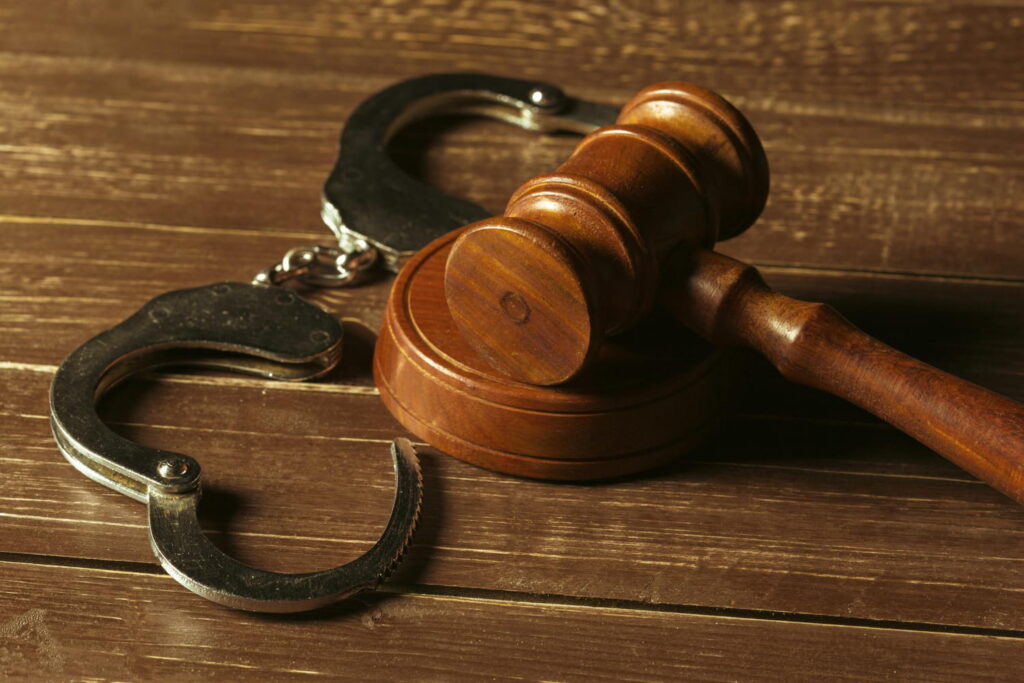
Meaning of “Refusal to Provide a Breath Sample”
Under section 320.15(1) of the Criminal Code, it is a standalone criminal offence to fail or refuse to comply with a lawful demand for a breath sample. This is not simply a traffic ticket or a provincial act violation – it is a crime that can result in a criminal record, jail time, and significant driving prohibitions.
Many drivers mistakenly believe they have the right to refuse if they haven’t been drinking. They don’t. “I haven’t had anything to drink” is not a defence to a refusal charge. Once an officer makes a lawful demand, you must comply with that demand or face criminal consequences.
A common misconception is that refusal means explicitly saying “no”. In reality, the law captures a much broader range of actions. You can be charged with refusal for ignoring the officer’s instructions, being intentionally uncooperative, or pretending to blow without actually providing an adequate sample. Courts often describe this latter situation as “failing to provide” rather than outright refusal, but the legal consequences are the same.
Breath Test Refusal Fines and Consequences
Refusing to provide a breath sample in Ontario, including Toronto, is a criminal offence and is punished as seriously as a regular DUI.
Immediate roadside penalties include:
- 90‑day licence suspension
- 7‑day vehicle impoundment at your expense
- $550 monetary penalty
- Reinstatement fee
If convicted in court, the consequences get more serious and include:
- A criminal record
- Mandatory minimum fine (often at least $2,000)
- Jail (minimum 30 days for a second offence, 120 days on a third or more, with a possible maximum of 10 years).
In addition to the 90‑day roadside suspension, the court can prohibit you from driving for at least 1 year on a first offence, longer for later offences, and you will usually need an education/treatment program and ignition interlock to drive again.
The Procedure and Your Rights
Impaired driving investigations typically involve roadside screening followed, in some cases, by formal testing at a police station. The law draws important distinctions between these stages.
When and How Police Can Demand a Breath Sample
Police demands for breath samples occur in two main contexts. The first is at the roadside, where an officer uses an approved screening device (ASD) to detect alcohol. The second is at the police station, where an approved instrument like the Intoxilyzer is used to obtain an evidentiary breath sample that can be used as evidence in court.
Your Rights and Obligations
At the roadside, your obligations are clear. When stopped by a police officer, you must provide your driver’s licence, vehicle ownership, and insurance documents. If a lawful roadside demand is made for a breath sample using an approved screening device, you must comply with that demand. Refusing at that moment can immediately lead to arrest for the criminal offence of refusal under section 320.15.
Here is where many drivers get confused about their rights. At the roadside, before arrest, there is no right to consult a DUI lawyer in Toronto before providing a roadside test. The courts have upheld this limitation because roadside screening is designed to be quick and because alcohol levels change over time. Allowing consultation would undermine the effectiveness of the demand. Similarly, you cannot refuse a Standardized Field Sobriety Test on the basis that you want legal advice first.
“I was facing my third DUI charge in Toronto and thought jail was unavoidable. The charges were ultimately withdrawn. I got my life back.”
— Michael R., North York
May 24, 2024
“After being stopped at a RIDE checkpoint, I was terrified about losing my license permanently. The case was dismissed.”
— Sara L., Etobicoke
June 08, 2025
“DUI Lawyer Toronto negotiated with the Crown and avoided jail time entirely. Their professionalism in court was impressive.”
— Daniel K., Scarborough
September 20, 2025
“From the first consultation, I felt supported and informed. My case was resolved without custody.”
— Amanda T., Downtown Toronto
January 22, 2025


DUI Lawyer Toronto
Impaired Driving Lawyer Toronto team exclusively works on defending impaired driving charges throughout the GTA - Toronto, Mississauga, Brampton, Scarborough, Markham, Vaughan, Richmond Hill, and other surrounding areas.
Contact info
Quick links
Copyright 2026 DUI Lawyer Toronto, All Right Reserved